
Sugar Reduction
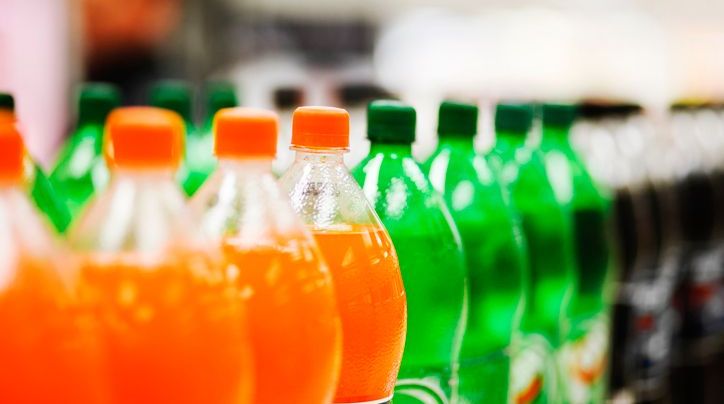
Sugar Reduction in Soft Drinks
Sugar-sweetened beverages are considered a key driver of the global obesity epidemic. Consumption has increased markedly over the past decades, and there is strong evidence from randomized controlled trials for a causal link between sugar-sweetened beverage consumption and excessive weight gain. There is also convincing evidence that sugar-sweetened beverages increase the risk of tooth decay, type 2 diabetes mellitus, and cardiovascular disease.
Reducing overall consumption and replacing sugar-sweetened beverages with unsweetened beverages are the safest options for avoiding negative health impacts. Reducing sugar content of soft drinks is also likely to offer health benefits, and various strategies have been proposed to achieve this objective. A number of countries, including the UK, Ireland, Portugal and France, have adopted so-called tiered soft-drink taxes, in which the tax rate increases with sugar content, incentivizing producers to lower sugar content. In Germany, the federal government has initially adopted a different approach through its National Reduction and Innovation Strategy for Sugar, Salt and Fat in Processed Foods, which relies on non-binding pledges by food industry groups and monitoring by the Max Rubner-Institute, Germany’s federal nutrition research institute. In early 2026, the German government announced plans to introduce a sugar-sweetened beverage tax in 2028, modelled on the UK sugary drinks levy.
In a project implemented in collaboration with Technical University Munich and the German NCD Alliance, we evaluated the effects of Germany’s initial, voluntary sugar reduction strategy for soft drinks, using the UK as international good practice benchmark. The results suggest that the strategy fell short both of its stated objectives and of the effects achieved by the UK’s tax incentives. In a follow-up project, we evaluated the effects of tiered soft drinks taxes implemented in four European countries – the UK, Ireland, Portugal and France – on average sugar content of soft drinks sold in these countries. The strongest effects were observed in the UK, where tax rates were highest and were the strongest co-interventions, such a public communication campaigns, were implemented. The results suggest that tiered soft drinks taxes can be effective in lowering sugar content of soft drinks, but that effects may depend on tax design, co-interventions and country context.
Funder: German NCD Alliance (Deutsche Allianz Nichtübertragbare Krankheiten, DANK)
Project partners: Technical University Munich, German NCD Alliance
Project period: 2022-2024
Selected publications
- Leibinger A, Huizinga O, Emmert-Fees K, Pedron S, Laxy M, Rehfuess E, Burns J, von Philipsborn P: The impact of tiered soft drink taxes in Europe on mean sales-weighted sugar content of soft drinks: a quasi-experimental study. BMC Public Health 2025, 25(1):2106, https://doi.org/10.1186/s12889-025-23331-w
- von Philipsborn P, Huizinga O, Leibinger A, Rubin D, Burns J, Emmert-Fees K, Pedron S, Laxy M, Rehfuess E.: Interim Evaluation of Germany’s Sugar Reduction Strategy for Soft Drinks: Commitments versus Actual Trends in Sugar Content and Sugar Sales from Soft Drinks. Annals of Nutrition and Metabolism 2023, 79 (3): 282–290, https://doi.org/10.1159/000529592